For decades, the standard belt design has had one glaring flaw: the excess strap. Whether it’s too long and flaps against your hip or too short to reach the second loop, the traditional “outer tail” breaks the clean lines of a well-tailored outfit.
In 2026, the Ghost minimalist hidden-tail belt has emerged as the gold standard for refined luxury. This shift is driven by advancements in internal track systems and slimmer tailoring standards across modern menswear. By re-engineering how the strap interacts with the buckle, the tail is tucked inside against the waist, creating a perfectly smooth exterior.
This guide is a deep dive into Trend #1 of our [Refined Luxury 2026 Men’s Belt Trend Report].
A hidden-tail belt is a belt design where the excess strap is tucked behind the belt rather than extending outward past the buckle. This creates a cleaner waistline and eliminates the traditional belt “flap.”
Most hidden-tail belts use an internal track system that allows micro-adjustments while keeping the tail concealed.
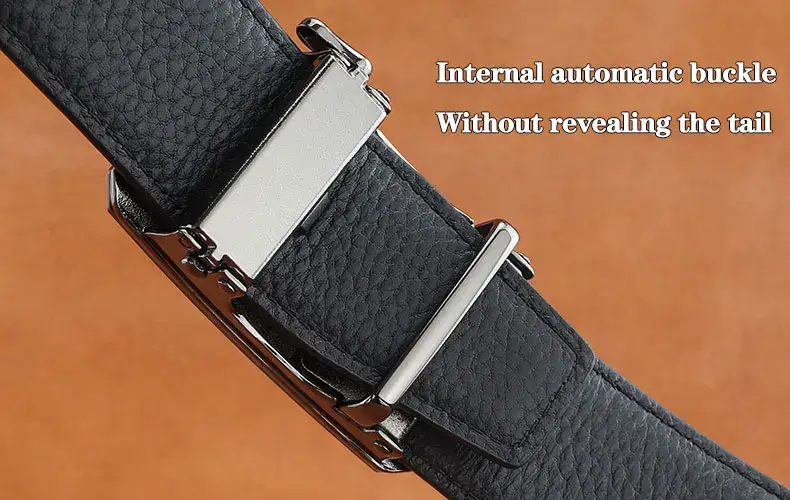
The hidden-tail look isn’t just a style choice; it’s a mechanical upgrade. Traditional belts rely on external loops to manage tension, which eventually stretch or fail. Modern hidden-tail systems, like those found in the HoldForm Phantom-Grip, typically use 32-point micro-tracks with 0.25-inch increments, allowing for precise tension without stressing the leather.
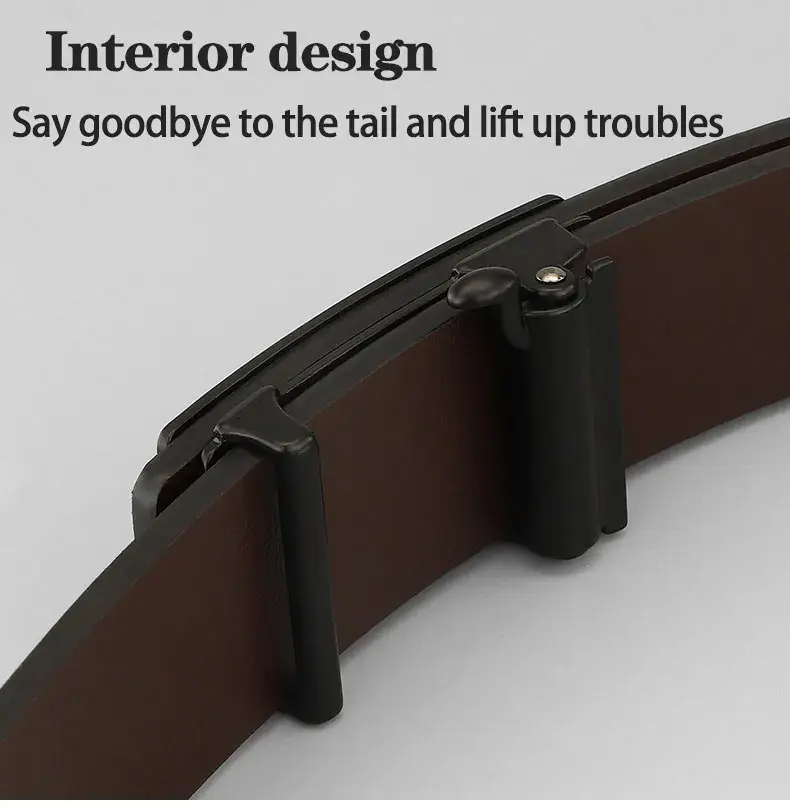
Fit precision matters as much as silhouette. See how 1/4″ micro-adjustments work in real life to understand why modern belts stay centered all day.
| Feature | Traditional Belt | Hidden-Tail Belt |
|---|---|---|
| Visual profile | visible belt tail | seamless waistline |
| Adjustment | 1-inch holes | micro-adjust increments |
| Jacket drape | can create bulk | sits flat |
| Comfort | depends on hole spacing | precise tension |
Modern blazers and suit jackets are cut closer to the body. An external belt tail creates a “bulk bump” under the fabric, ruining the drape of the jacket. The hidden-tail system ensures your silhouette remains razor-sharp.
With the “French Tuck” or full-tuck styles popular in casual wear, an external belt tail looks cluttered. The ghost silhouette provides the “Quiet Luxury” look—expensive and intentional, but never loud.
Tailoring is where the difference becomes obvious. We explain the formalwear impact in why non-porous ratchet belts work better with suits.
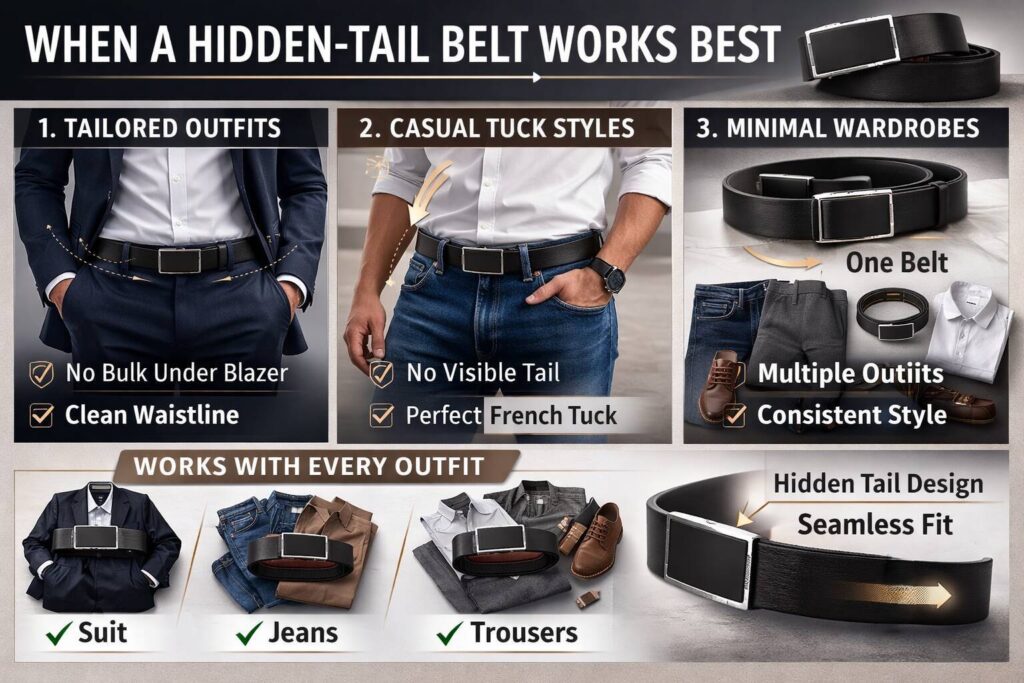
Hidden-tail belts work particularly well in three situations:
Tailored outfits
A hidden tail avoids visible strap bulk under a blazer and helps maintain a clean waistline.
Casual tuck styles
With French-tuck or full-tuck outfits, the concealed strap prevents the extra belt tail from distracting from the outfit.
Minimal wardrobes
Many minimalist wardrobes rely on one belt that works across multiple outfits. A hidden-tail design keeps the look consistent whether worn with jeans, trousers, or business attire.
| Feature | Traditional Belt | Hidden-Tail (Ghost) |
| Visual Profile | Broken by loops/tail | Seamless 360° Symmetry |
| Jacket Drape | Can cause “bulk bump” | Stays perfectly flush |
| Adjustment | 1-inch fixed holes | 0.25″ Micro-adjustments |
| Mechanical Noise | Metal pin clinking | Silent Operation |
No. High-quality hidden-tail belts use top-layer cowhide that is flexible and soft. The belt’s natural tension keeps the tail pressed flat against the strap, so it stays secure without rubbing or discomfort—even during all-day wear.
Yes. In fact, many people prefer them because they eliminate the visible belt tail that can disrupt the clean lines of tailored clothing.
Many hidden-tail belts use internal micro-track systems similar to ratchet belts, but the strap routing hides the excess length behind the belt.
Yes. Most modern hidden-tail belts allow the strap to be trimmed to the correct waist size before attaching the buckle.
For a clean silhouette and precise fit, explore the HoldForm Hidden-Tail Belt collection, designed with internal micro-adjust tracks and premium leather straps.
Minimalism isn’t just about having less; it’s about making what you have work better. By moving the tail of the belt out of sight, you move your style into a new tier of sophistication.
To ensure your hidden tail is the perfect length, follow our [Step-by-Step Trimming Guide].

Practical belt guides, sizing tips, and exclusive offers — straight to your inbox.



Leave a comment