HoldForm doesn’t sell “belts.”
We sell systems.
And with hundreds of belt configurations across materials, widths, and mechanisms, the problem isn’t price.
It’s choice paralysis.
So here’s a buyer path that does one job:
Get you into the right belt today — without guessing.
No fluff. No theory. No “style blog” talk.
Just clear lanes, fast decisions, and the exact belt type that fits your life.
Most brands ask: “Which belt do you like?”
That’s how people end up with 7 belts — and still wear only one.
HoldForm asks a better question:
What problem should your belt never cause again?
Start there. The rest becomes obvious.
Pick your lane. Don’t overthink it.
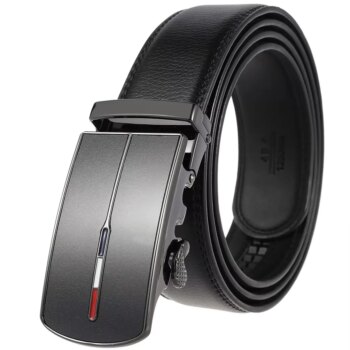
Recommended — Professional & Office Wear
The Aero-Stripe Automatic Ratchet Leather Belt
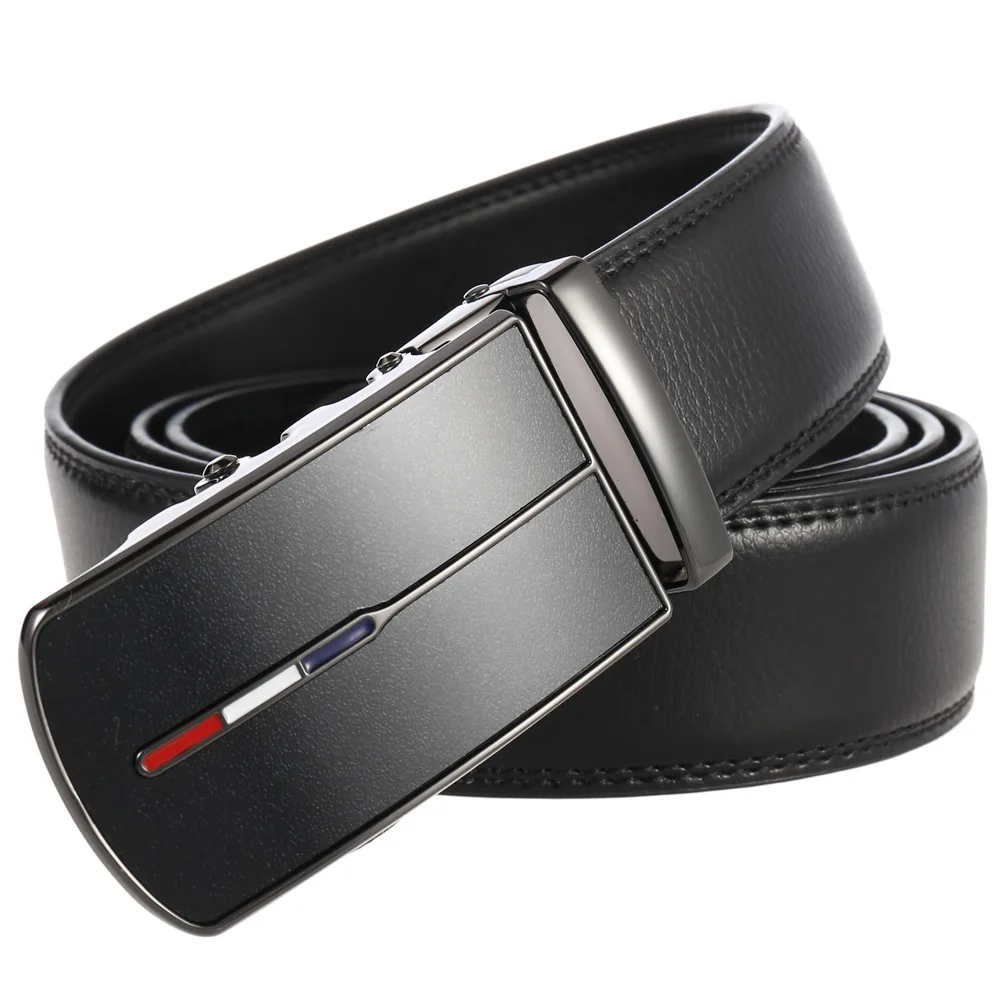
Designed for men who wear suits, blazers, and structured office outfits regularly.
Why this belt works:
Best for: suits, formal office wear, business travel
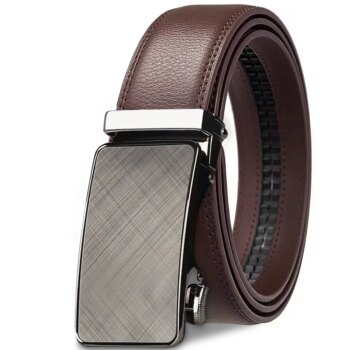
Recommended — Everyday Wear
Phantom-Grip Automatic Ratchet Belt
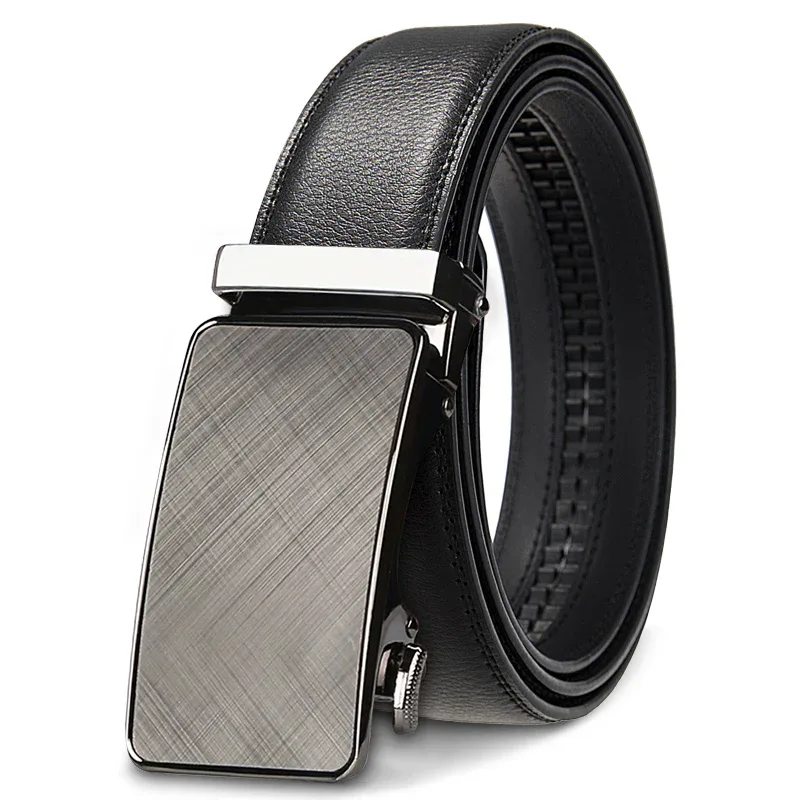
A reliable everyday choice for jeans, chinos, and casual outfits — without looking mechanical or tactical.
Why this belt works:
Best for: jeans, casual office, daily wear
Prefer a softer, comfort-first feel? See PureLock Automatic Ratchet Belt.
Recommended — Heritage & Workwear
The Forge Solid Brass Heritage Belt

Built for denim, boots, and heavier fabrics — where weight and materials matter.
Why this belt works:
Best for: denim, boots, heritage and workwear
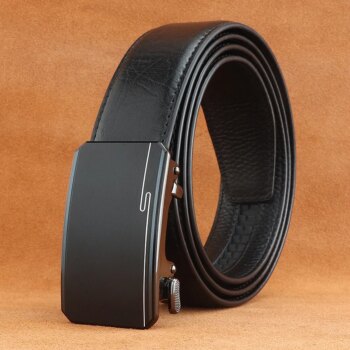
Recommended — Comfort & Travel
Ghost Hidden-Tail Automatic Ratchet Belt
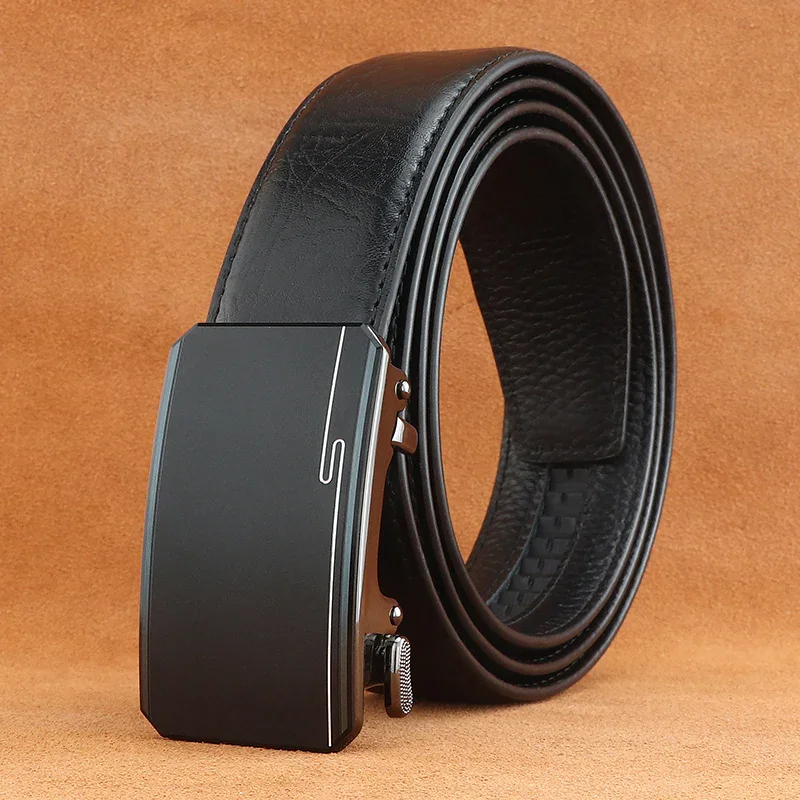
Engineered for long days, travel, and small waist fluctuations — without ever looking casual.
Why this belt works:
Best for: travel, long meetings, comfort-first wear
Hidden-tail belts are especially useful for travel and long days — we explain exactly how they work in our hidden-tail belt guide.
This is where you lock the decision.
You want a belt that:
Choose: Automatic / Ratchet Systems
Why it wins:
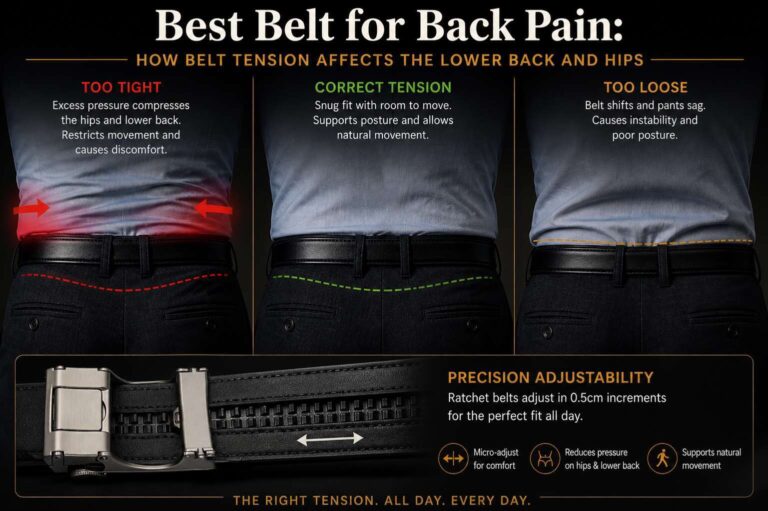
A micro-fit belt gives you perfect tension without holes stretching, cracking, or drifting.
If you’re still deciding between mechanisms, see our full breakdown of automatic vs traditional belts and when each one actually makes sense.
You want:
Choose: Heritage / Solid Brass / Full-Grain
Why it wins:
You’re buying longevity and character, not mechanism.
You want:
Choose: Smart-Comfort Belts
Why it wins:
These solve comfort problems while still looking refined.
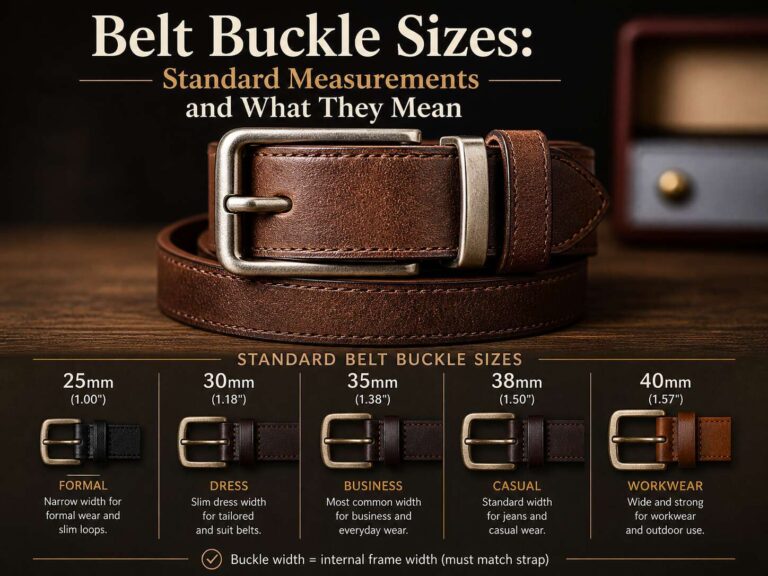
A belt can be high quality and still look wrong if the width is wrong.
Use this:
| What you wear | Best belt width |
|---|---|
| Suits & tailoring | 3.0–3.3cm |
| Office / smart casual | 3.3–3.5cm |
| Denim / heritage / boots | 3.8–4.1cm |
If you’re between categories:
Hardware is not decoration.
It’s how the belt communicates before you say a word.
Choose the personality that fits your environment — then ignore everything else.
For men who want the belt to disappear so the outfit does the talking.
Best for: suits, office, clean tailoring
Look for: flat profiles, slim hardware, muted finishes
If a buckle draws attention under a jacket, it doesn’t belong here.
For men who want a belt that looks intentional — not decorative.
Best for: business casual, modern tailoring
Look for: clean geometry, structured frames, controlled contrast
Design is acceptable. Noise is not.
For men who value weight, materials, and longevity over mechanism.
Best for: denim, boots, workwear
Look for: thick leather, solid brass or copper, visible stitching
If it wouldn’t look better after five years, skip it.
For men who prefer systems over single-use purchases.
Best for: practical buyers, long-term ownership
Look for: interchangeable buckles, replaceable straps, standardized widths
This is how you refresh without rebuying.
If you want to stop thinking about belts, start with the recommendation that matches your life:
Each one solves a specific problem — and nothing else.
For most men, yes. Automatic belts offer micro-adjustment, stay centered, and don’t stretch or crack like hole-based belts. Traditional belts still make sense for heritage and workwear styles where weight and materials matter more than mechanism.
Absolutely — if the buckle is low-profile and minimal. Automatic belts designed for office wear lay flat under tailoring and eliminate the bulk caused by traditional prong buckles.
A 3.3–3.5cm belt works in the widest range of situations, from office to smart casual. Go slimmer only if you wear suits daily; go wider only if you live in denim and boots.
Only poorly designed ones. A well-designed automatic belt looks no different from a traditional dress belt — just more precise and comfortable.
A belt should feel secure without pressure. Micro-adjustable belts allow you to fine-tune fit throughout the day, which is why many men switch once and never go back.

Practical belt guides, sizing tips, and exclusive offers — straight to your inbox.

Leave a comment