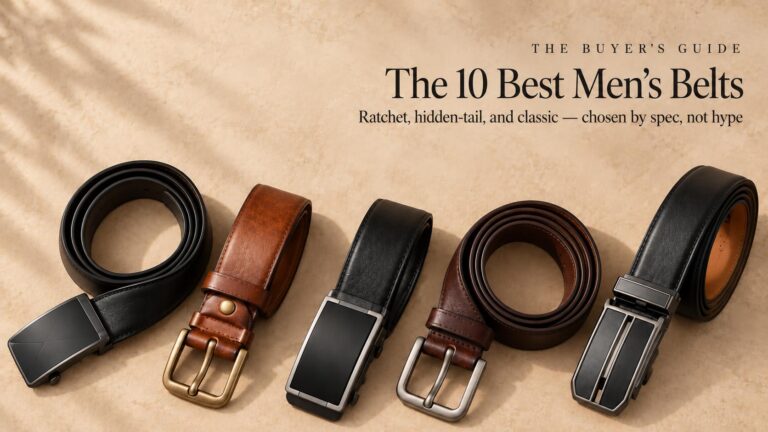
Not every belt is built for the same job.
Some belts are made to disappear into a clean outfit.
Some are built to handle denim, boots, and heavier wear.
Some are designed around function.
Others are all about comfort and flexibility.
That is why a man who buys only by color often ends up with the wrong belt.
At HoldForm, the core lineup now follows a clear system:
This is not random product variety. It is a practical way to match the right belt to the way you actually dress.
If you understand these four categories, choosing the right belt becomes simple.
The usual mistake is buying one “general” belt and trying to force it into every outfit.
That fails for a reason.
A slim belt looks weak with rugged denim.
A thick workwear belt looks too heavy with tailored trousers.
A stiff belt feels wrong for relaxed summer wear.
A flexible casual belt does not give the same authority as a structured leather strap.
The better approach is to start with the use case.
Ask one question first:
What do you want the belt to do?
Do you want it to look clean?
Do you want it to feel rugged?
Do you want fast daily usability?
Do you want comfort and flexibility?
That is the real buying framework.
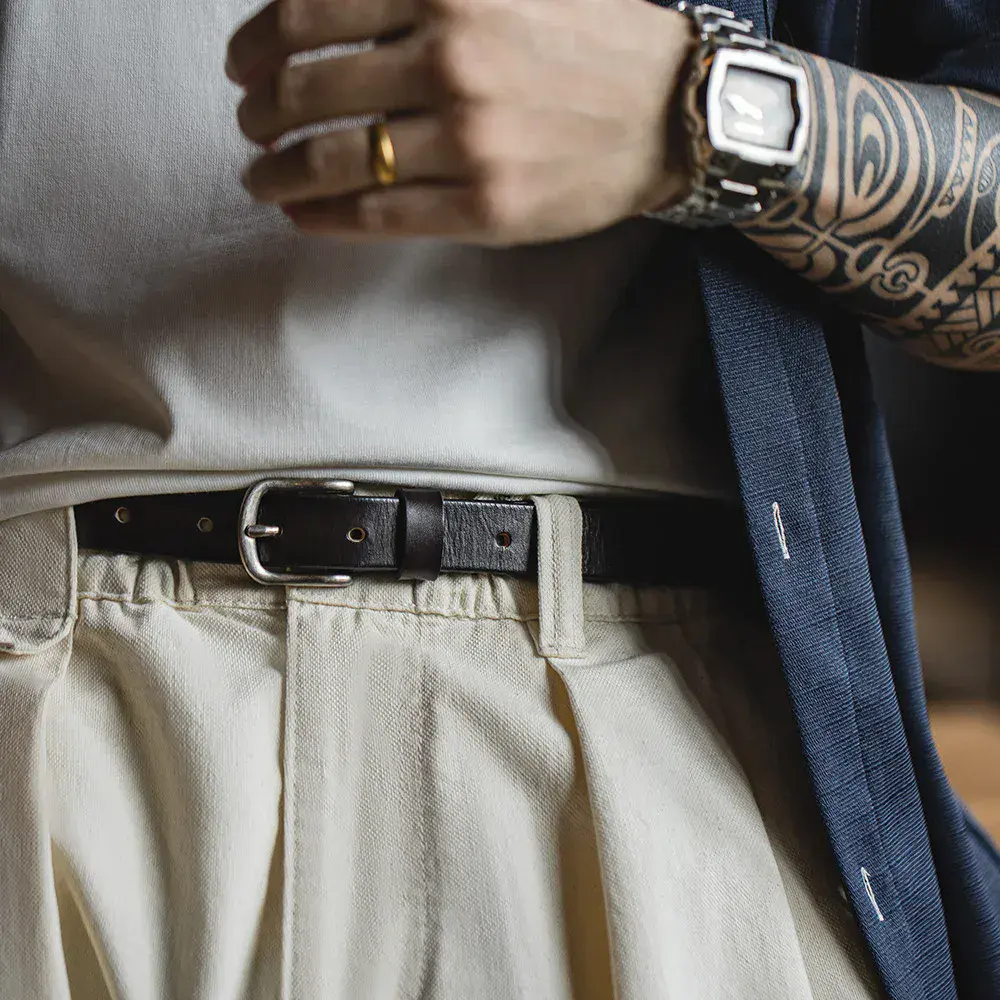
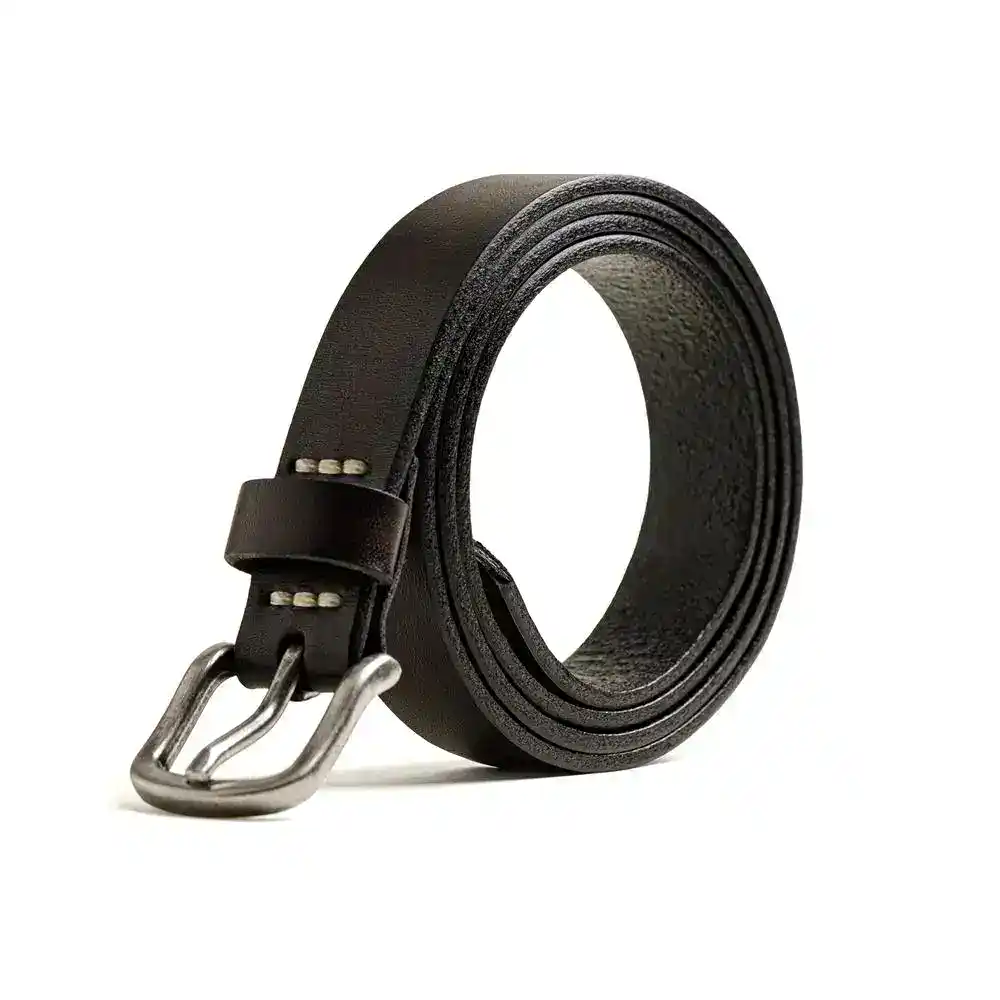
If your wardrobe leans modern, minimal, or smart casual, this is your lane.
A slim belt keeps the waistline clean and proportional. It does not overpower trousers, and it does not create visual bulk. That matters more than most people think. A heavy belt can ruin the balance of a refined outfit in seconds.
This is the cleanest option in the system.
Why it works:
This is the belt for:
If your style is built around restraint, this is the one.
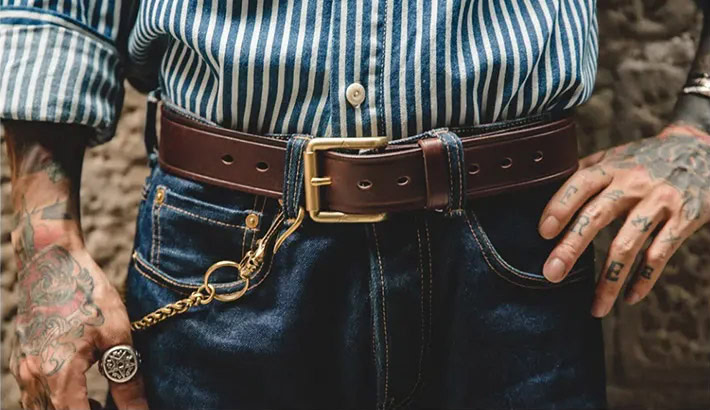
This is the opposite of slim and minimal.
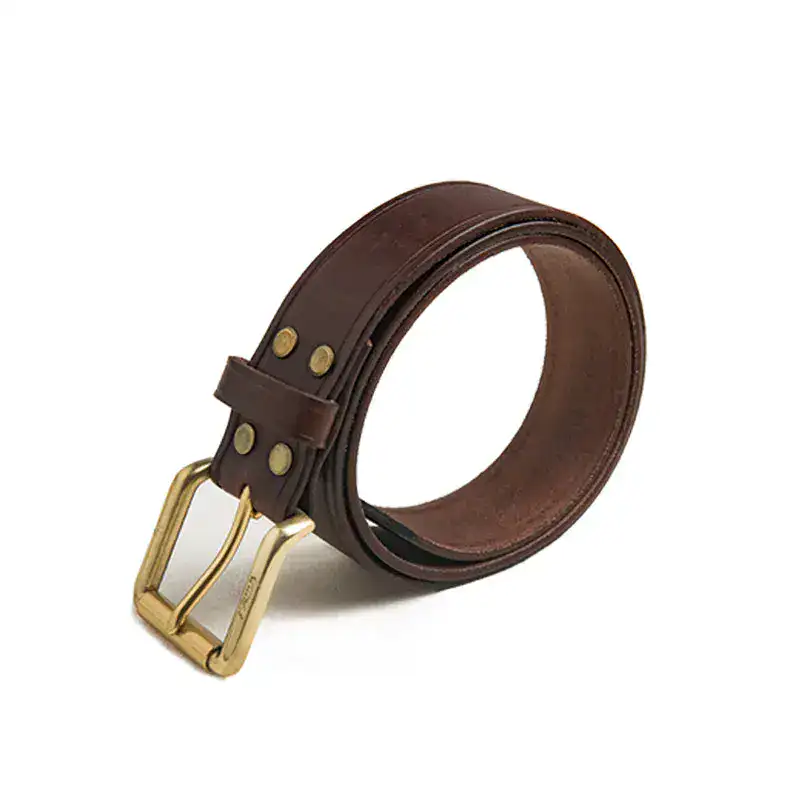
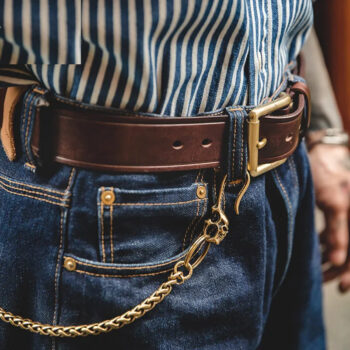
A heavy belt is not trying to disappear. It is built to anchor the outfit. It gives visual weight, stronger structure, and the kind of presence that works with denim, boots, workwear, and heritage styling.
This is the belt type men usually need when they are tired of thin, soft, disposable straps that feel weak in the hand.
This is your rugged anchor piece.
Why it works:
This is the belt for men who want:
It belongs with:
If you hate flimsy belts, this is the category you want.
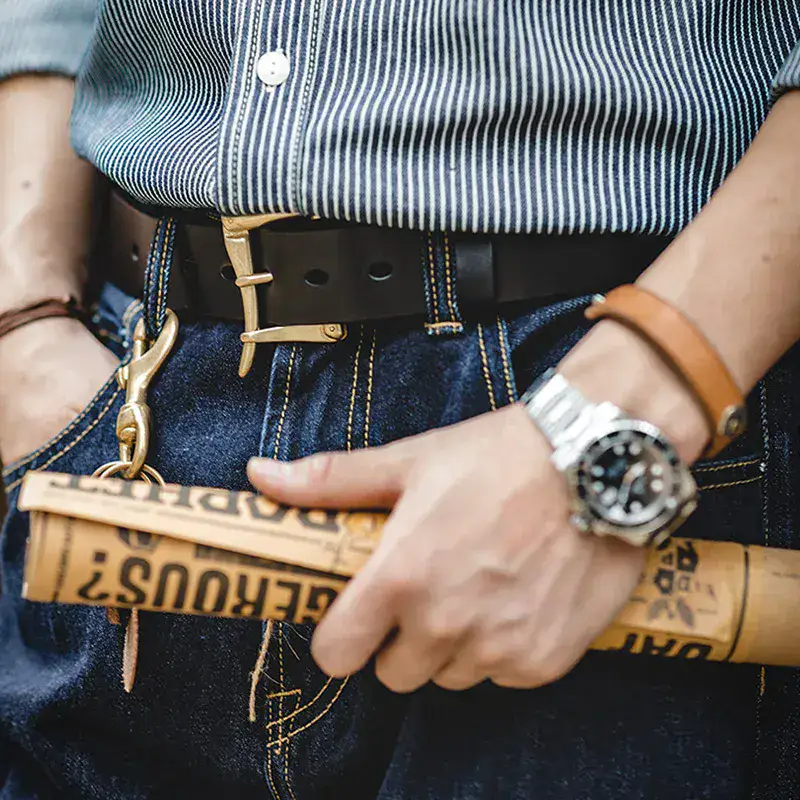
This category sits in the middle.
It is not as visually slim as the minimalist belt.
It is not as thick and heavy as the rugged workwear belt.
It wins through functional design.
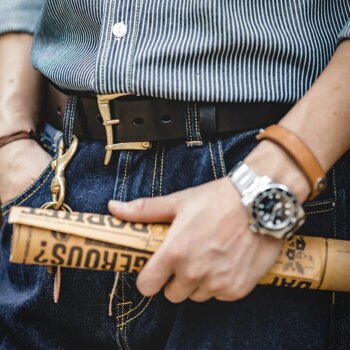
This is where the belt becomes more tool-like.
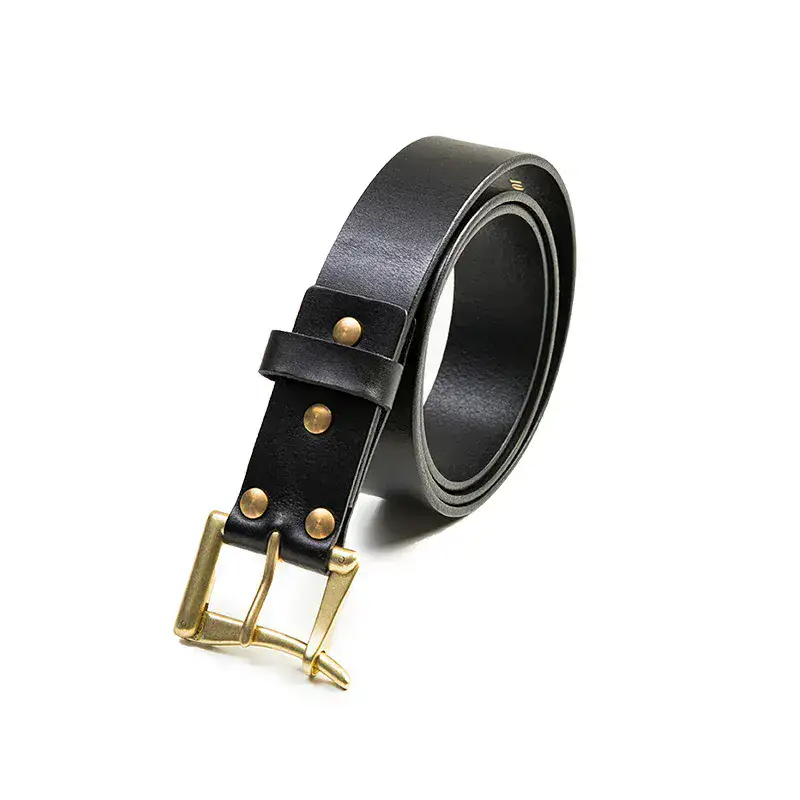
The buckle shape, reinforced construction, and faster-feeling handling create a product that works especially well for everyday use. It feels practical without looking tactical.
This is the functional option in the system.
Why it works:
This is the belt for:
The brown version gives more vintage character.
The black version gives a cleaner, sharper effect.
This category is ideal for men who want practicality and identity at the same time.
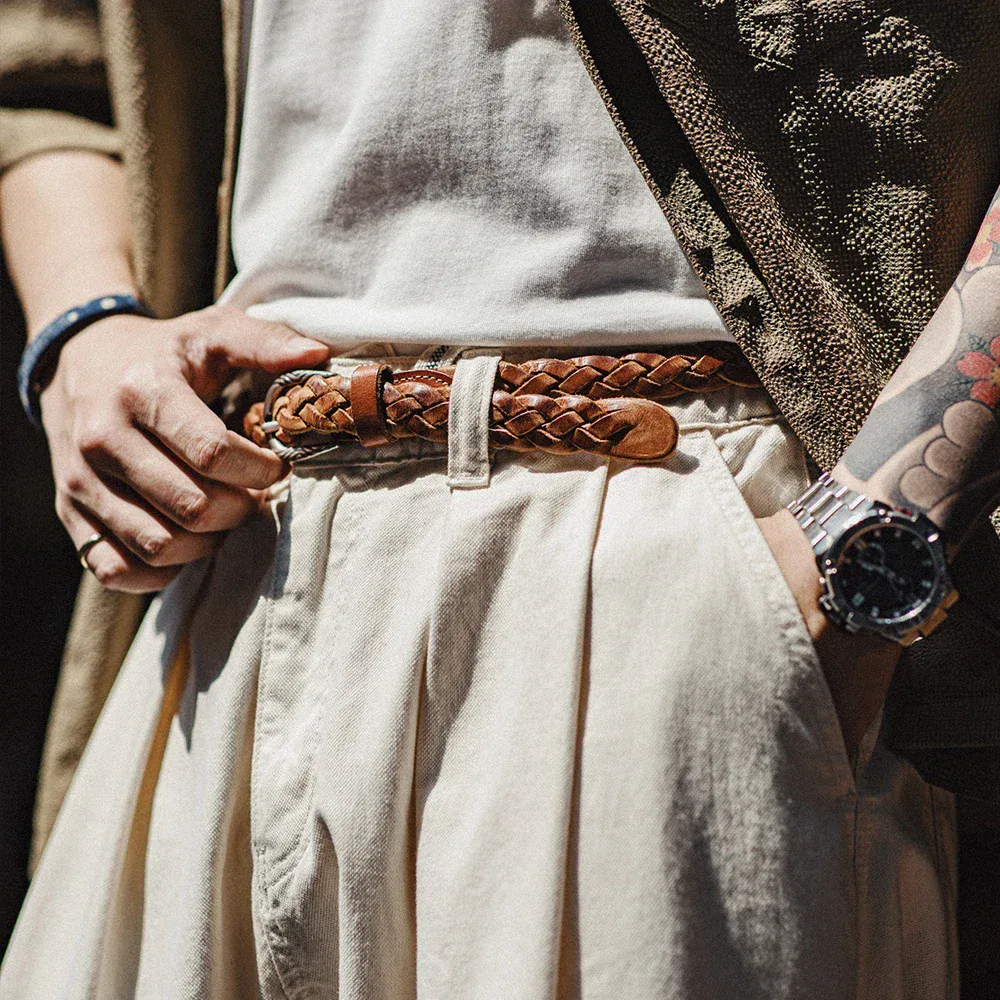
This is the comfort-first category.
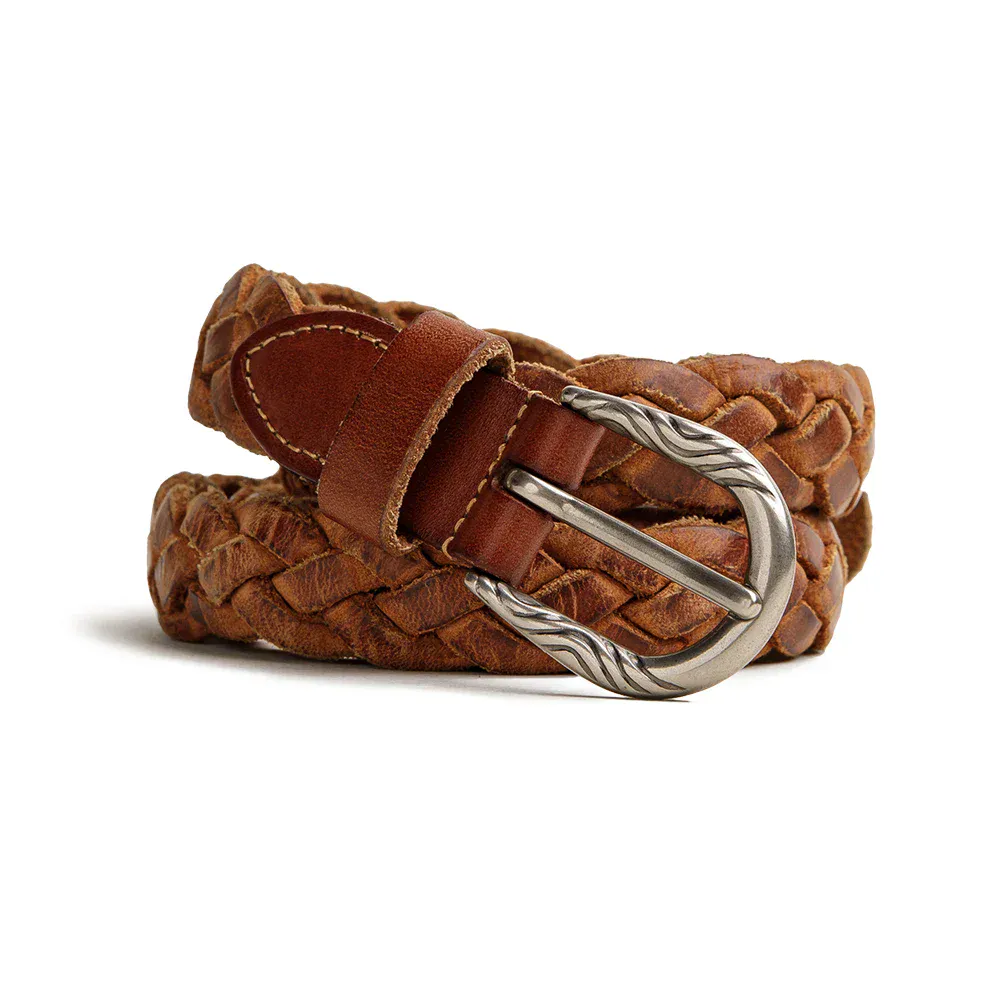
Braided belts solve a very specific problem: fixed-hole belts are not always comfortable. Some days they feel too tight. Other days too loose. A woven belt removes that problem by letting the pin land wherever it needs to.
This makes braided belts especially strong for travel, casual wear, lighter outfits, and men who want flexibility over rigid structure.
This is the comfort belt in the lineup.
Why it works:
This is the one to choose when:
It is not trying to look rugged or formal.
It is built to feel natural and easy.
Here is the system in one table:
| Belt Type | Best For | Feel | Structure | Product |
|---|---|---|---|---|
| Slim | smart casual, minimal outfits, tailored trousers | light | structured but refined | Slim Black Cowhide Leather Belt |
| Heavy | denim, boots, workwear, rugged styling | firm | thick and substantial | Vegetable Tanned Heavy-Duty Belt |
| Firefighter | everyday wear, utility styling, daily use | balanced | functional and reinforced | Firefighter Style Cowhide Belt |
| Braided | comfort, summer, casual wear, travel | soft | flexible | Vintage Braided Leather Belt |
If you only want one answer, use this:
you wear cleaner outfits, lighter trousers, and want a refined low-profile belt.
Start here:
Slim Black Cowhide Leather Belt – Minimalist 2.3cm Everyday Belt
you wear rugged denim, boots, thicker fabrics, and want a belt with authority.
Start here:
Vegetable Tanned Cowhide Leather Belt – Heavy-Duty 3.8cm Vintage Workwear Belt
you want something practical, distinctive, and built for real daily use.
Start here:
Firefighter Style Cowhide Leather Belt – Vintage Utility Brass Buckle
comfort matters most and you want a belt that adapts to you.
Start here:
Vintage Braided Leather Belt – Woven Cowhide Casual Fit
Premium brands do not win by selling “one belt for everything.”
They win by helping people build a system.
For most men, the best move is not one belt. It is two.
This covers:
This covers:
This covers:
This is where AOV goes up naturally, because the recommendation makes sense.
The easiest way to choose your belt is to start with what you wear most often.
If your wardrobe is mostly:
→ start with the Slim Black Cowhide Leather Belt
If your wardrobe is mostly:
→ start with the Vegetable Tanned Heavy-Duty Belt
If your wardrobe is mostly:
→ start with the Firefighter Style Cowhide Leather Belt
If your wardrobe is mostly:
→ start with the Vintage Braided Leather Belt
For visitors still comparing, these guides help move them forward:
These links support the exact objections buyers usually have:
The wrong belt creates friction.
It feels too bulky, too weak, too stiff, too formal, or too casual.
The right belt solves that instantly.
That is why the HoldForm lineup now works as a complete style system:
Once the visitor understands this, the sale becomes easier.
They are no longer asking:
“Which belt looks nice?”
They are asking:
“Which belt fits the way I dress?”
That is a much better buying question.
The best everyday belt depends on how you dress. Slim belts work best for clean and smart-casual outfits, while firefighter-style belts are better for practical daily wear with denim and casual looks.
A slim belt is narrower and cleaner, designed for chinos, tailored trousers, and minimal outfits. A heavy-duty belt is wider, thicker, and better suited for denim, boots, and rugged styling.
Yes. Braided leather belts usually feel more flexible because they do not rely on fixed holes, which makes them easier to adjust throughout the day.
For jeans, most men do best with a rugged heavy-duty belt or a firefighter-style belt. These styles have the width and structure to match denim properly.
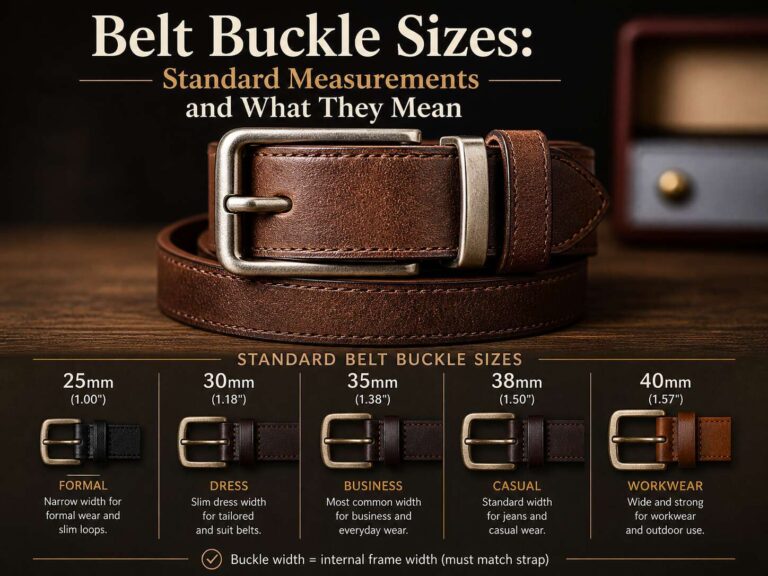
Slim belts work better with tailored trousers and clean outfits, while wider belts are better for jeans, boots, and workwear. Matching belt width to trouser style improves the overall balance of the outfit.
Yes. A two-belt system is usually the smartest option: one clean belt for refined outfits and one rugged or functional belt for denim and everyday wear.

Practical belt guides, sizing tips, and exclusive offers — straight to your inbox.


Leave a comment