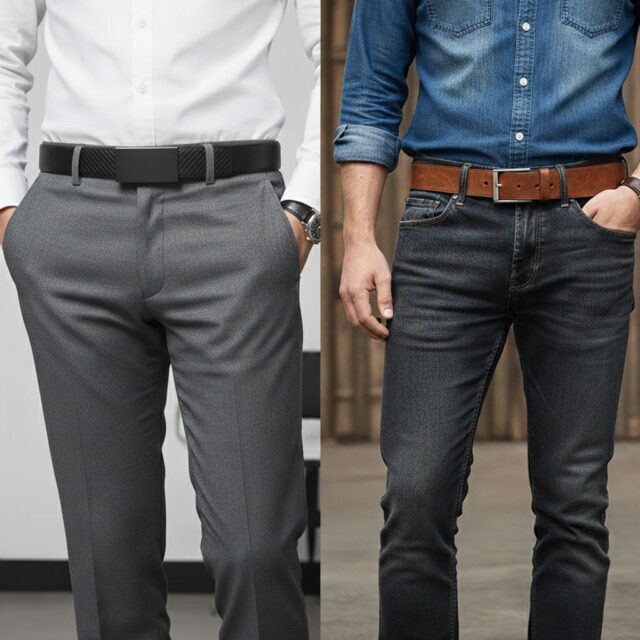
An office belt fails in three specific ways. It rolls at the front, breaking the clean horizontal line that holds a suit or trouser silhouette together. It fits between sizes — too tight on one hole, too loose on the next — and the resulting waistband tension either restricts movement...
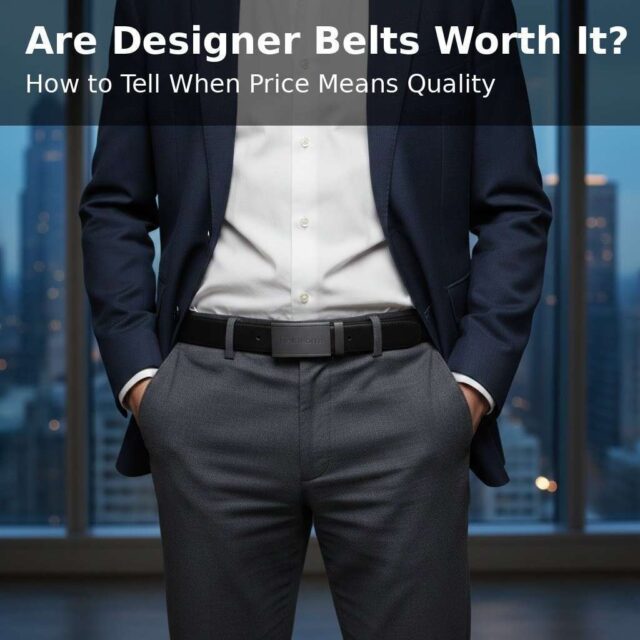
Some designer belts are worth the price. Many aren’t. The difference is not the logo — it’s whether the construction specification justifies the cost. A $300 belt built to the same spec as a $100 belt is a branding premium, not a quality premium. A $300 belt with genuinely superior...
An everyday belt is worn five days a week, 50 weeks a year. Over three years that’s 750 wearing days. The belt that looks adequate in a shop or in product photos will behave very differently under 750 days of real use than one built to the correct specification for...
The Case for Corrosion-Proof Belt Hardware Most belt failures don’t start in the leather. They start at the buckle. Bent frames. Peeling finishes. Corrosion at contact points. Skin irritation.Even well-made leather belts often die early because the hardware wasn’t built for daily load. This guide explains why titanium buckles behave...
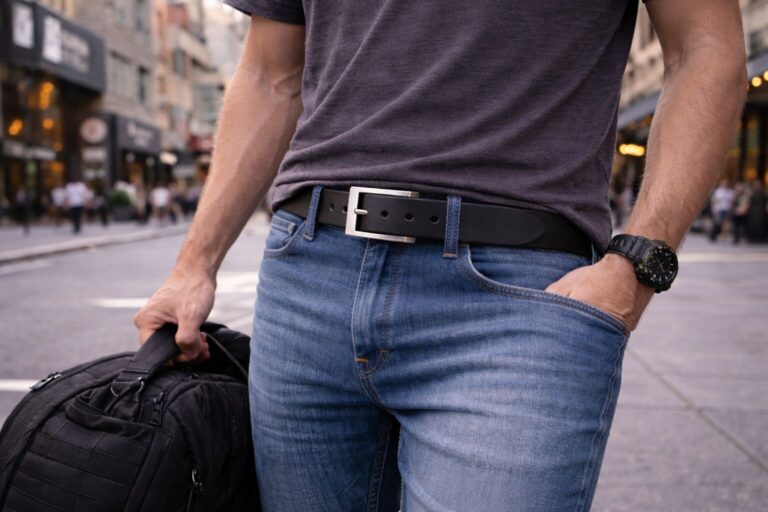
The correct leather belt thickness is 3.5–4mm for everyday professional and dress wear, 4–4.5mm for daily casual wear and jeans, and 4.5–5mm for workwear, carry use, and belts under sustained heavy load. Below 3.5mm, most belts roll and deform under daily wear within months. Above 5mm adds weight and stiffness...
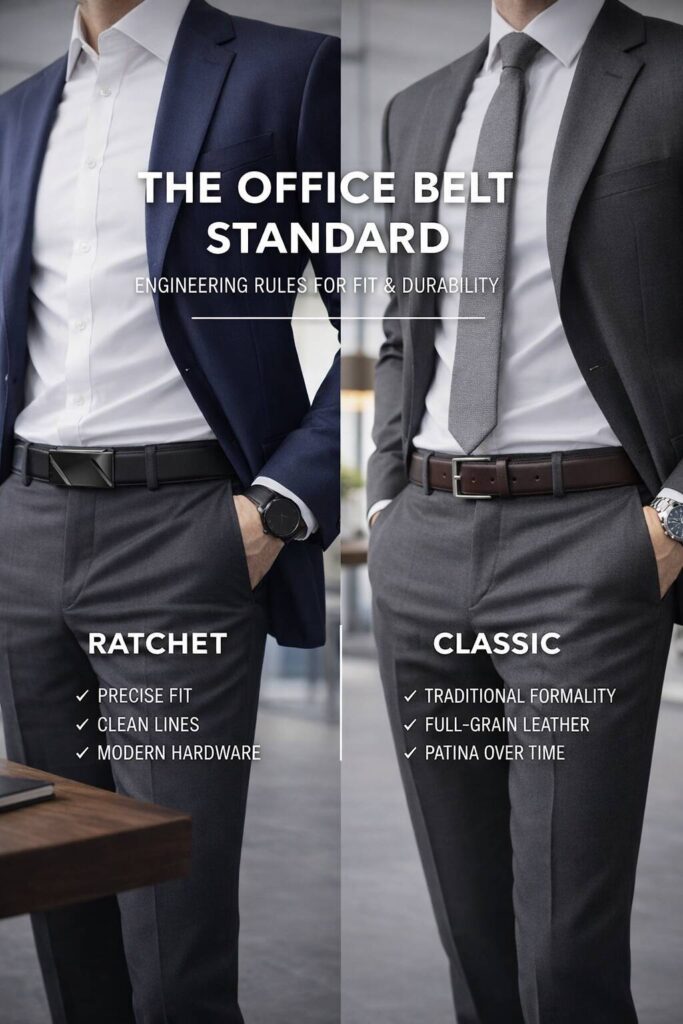
Not all belts are built for the same job. Some are designed for precision fit and convenience.Others are built for structure, longevity, and natural aging. Both ratchet belts and classic full-grain leather belts have a place — when used for what they’re designed to do. This guide explains how to...
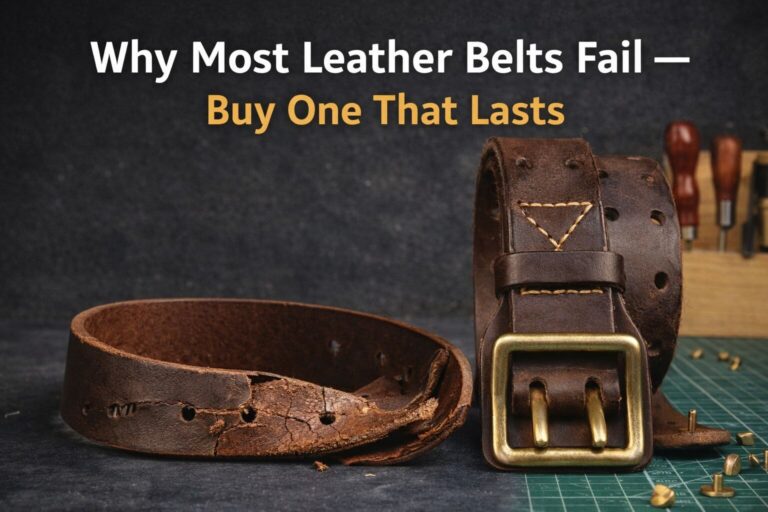
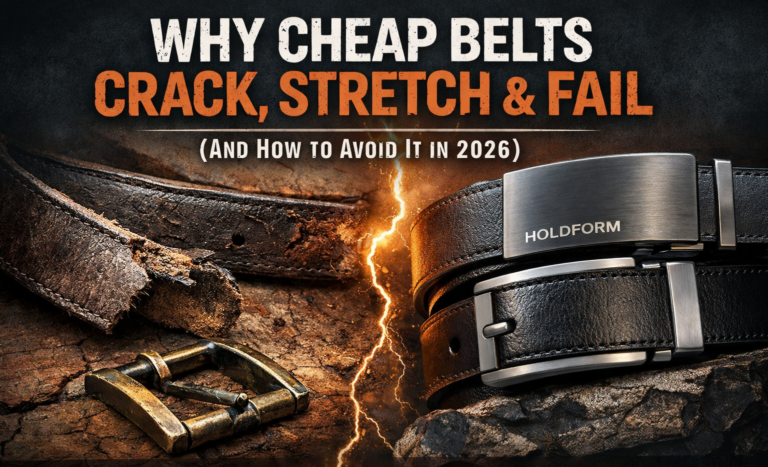
Leather belt failure follows predictable patterns. The same four failure modes account for the overwhelming majority of belts that crack, peel, delaminate, or lose structural integrity within months of daily use. Each failure mode has a specific cause, a specific visible symptom, and a specific construction decision that either prevents...
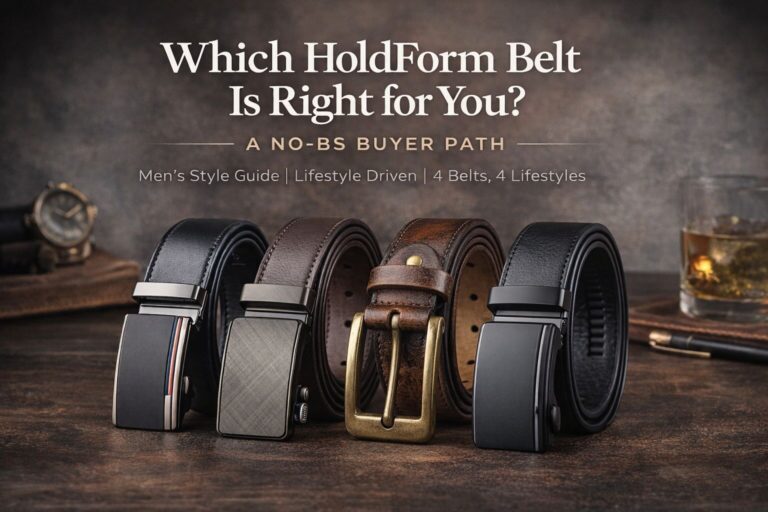
A No-BS Buyer Path HoldForm doesn’t sell “belts.” We sell systems. And with hundreds of belt configurations across materials, widths, and mechanisms, the problem isn’t price.It’s choice paralysis. So here’s a buyer path that does one job: Get you into the right belt today — without guessing. No fluff. No...
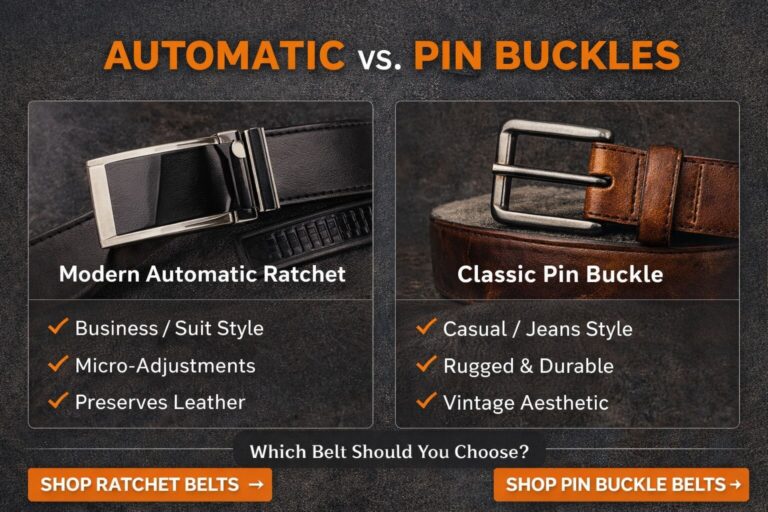
The choice between a ratchet belt and a traditional pin buckle belt gets framed as a preference question. It isn’t — or at least, preference isn’t where the decision should start. Both systems are mechanisms. They hold a belt closed through different approaches, distribute load differently, fail at different points,...
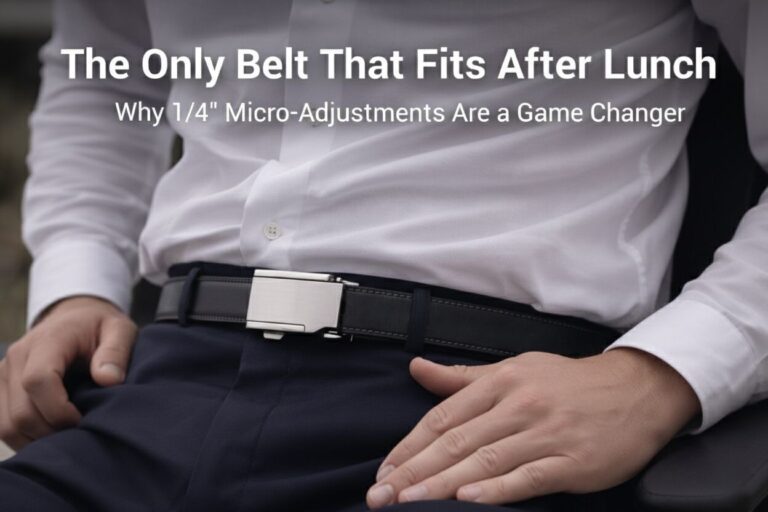
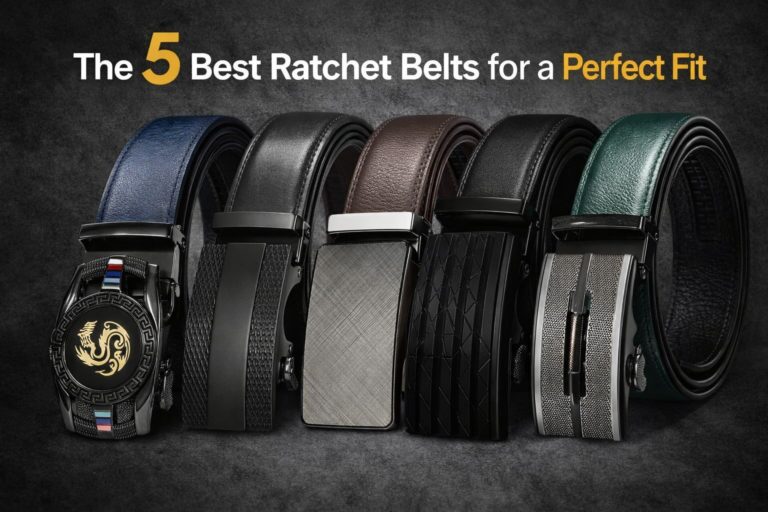
Why 1/4″ Micro-Adjustments Are a Daily Game Changer TL;DR:Your waist size changes throughout the day. Traditional belts don’t. A ratchet belt with 1/4″ micro-adjustments adapts instantly—before, during, and after meals—so you’re never stuck between “too tight” and “too loose.” If you’re comparing ratchet belts to traditional pin-buckle belts, see our...
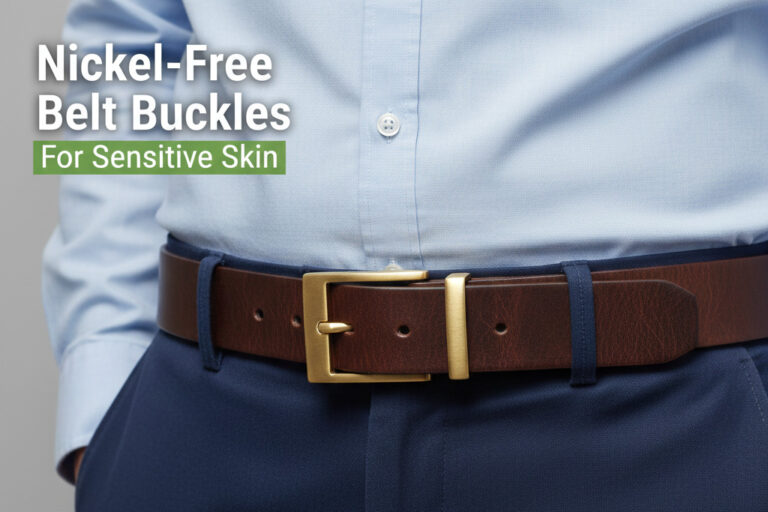
Belt buckle rash is almost always caused by nickel in the hardware, not the leather. Nickel contact dermatitis — a Type IV hypersensitivity reaction — is triggered when nickel salts leach through sweat contact onto the skin. The rash appears at the exact point where the buckle frame contacts the...
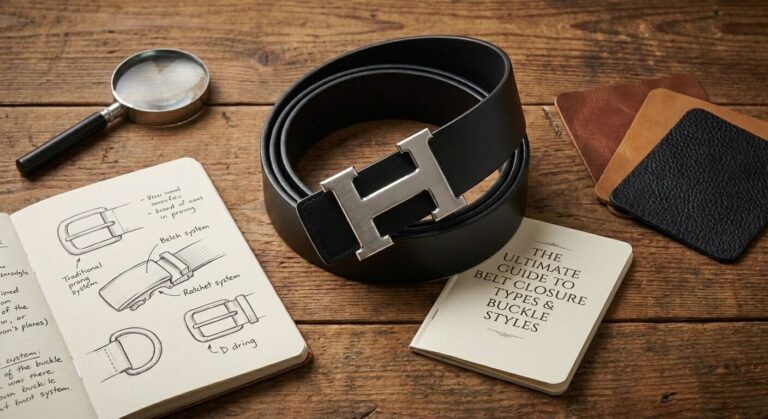
The buckle determines how a belt adjusts, how it ages, how it sits under clothing, and how the hardware reads in the context of an outfit. Two belts built from identical leather will perform and look completely differently depending on buckle type. Understanding the mechanical differences between closure types makes...
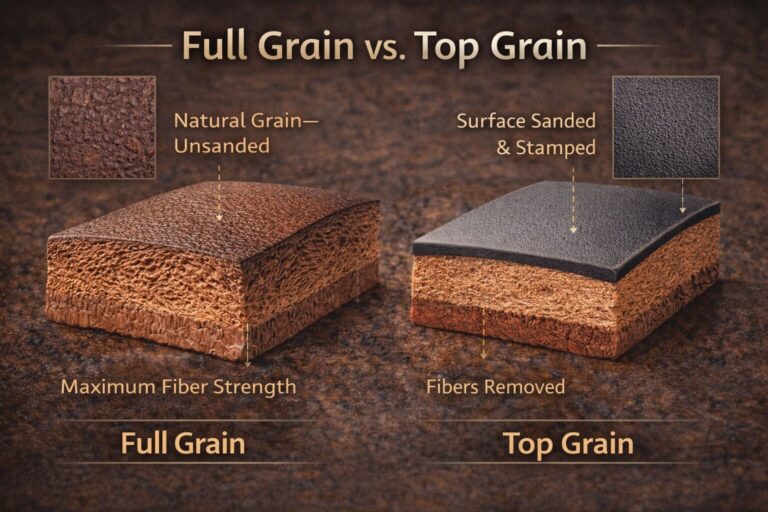
Most leather product listings use grade terms as marketing signals — “full-grain” to suggest quality, “genuine leather” to suggest authenticity. Neither term is defined for the buyer, and the result is a market where a $25 belt and a $180 belt can both carry the same label without either being...
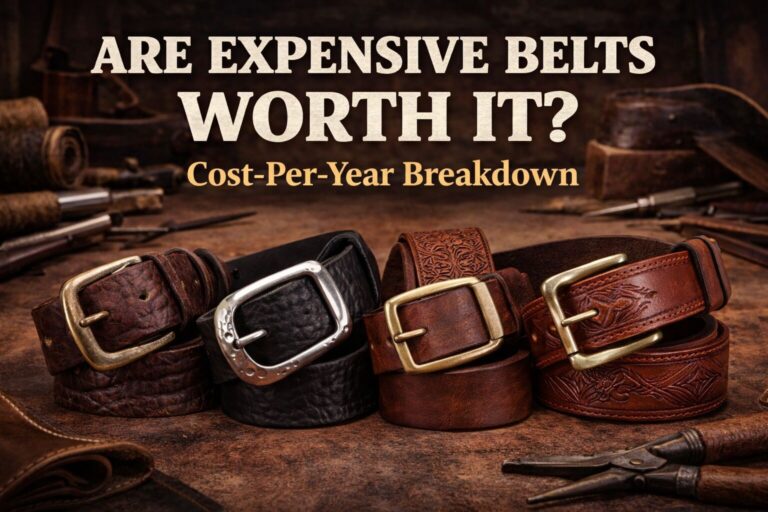
Are expensive belts worth it?Expensive belts are worth it when they use higher-quality leather, reinforced construction, and durable hardware. While cheap belts cost less upfront, they often need replacing every year, making quality belts cheaper over time when measured by cost-per-year. A Cost-Per-Year Breakdown Most Men Never Do At first...
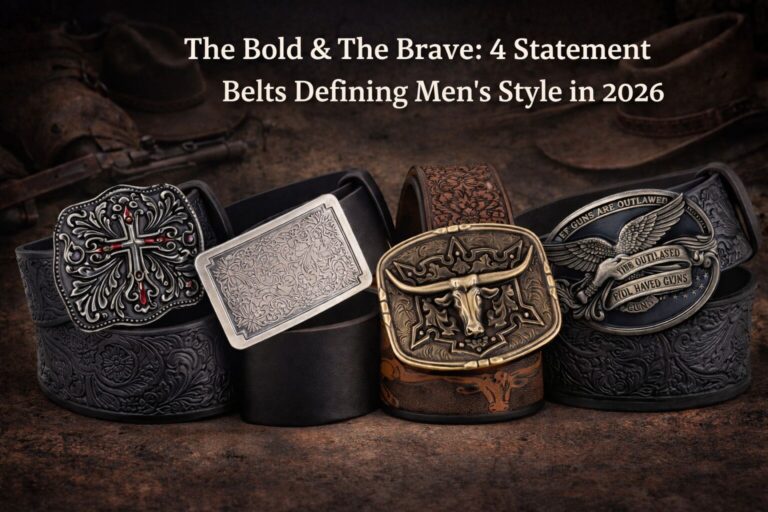
In men’s fashion, the belt is often the most overlooked accessory—yet it’s the one that carries the most weight. Whether you’re in the saddle, at a rally, or walking into a high-stakes meeting, your buckle speaks before you do. It signals confidence, values, and identity. At HoldForm, we believe a...
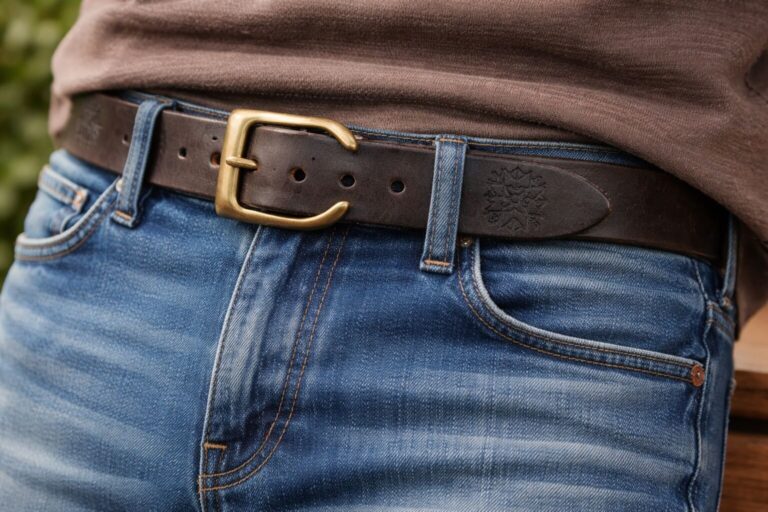
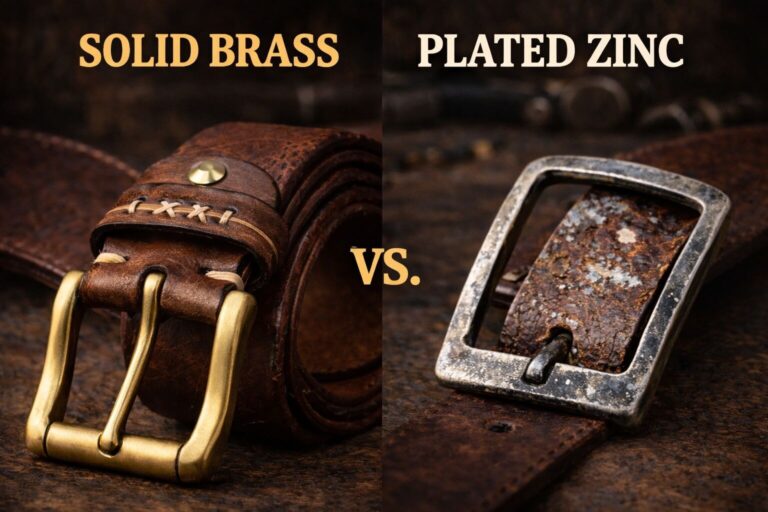
Most belt listings say “alloy buckle” or “solid brass” without explaining what that means for how the buckle performs over time. The material determines finish longevity, mechanism precision, corrosion resistance, and how the buckle feels in hand. These are not equivalent options — each material has specific advantages and specific...
Full-grain leather at adequate thickness does not stretch significantly under normal daily wear. The leather itself is structurally stable — the dense collagen fibre network of full-grain hide resists elongation under sustained load. What does deform is the area around belt holes on pin-buckle belts, and the two things are...
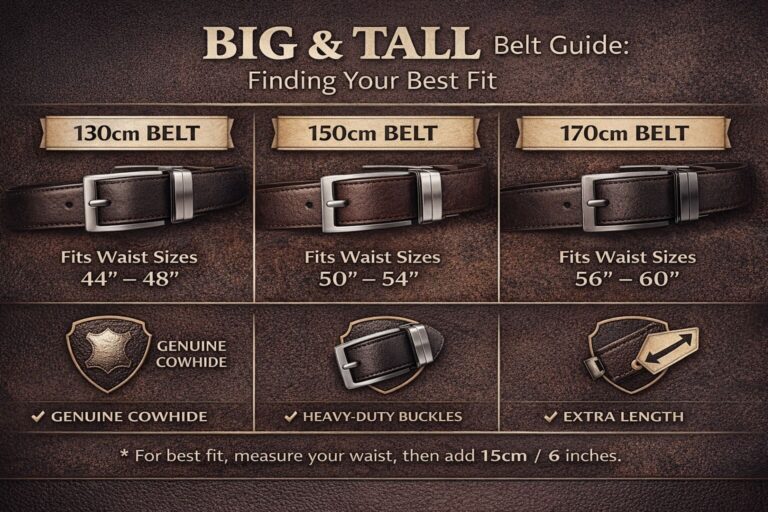
Most belt guides assume a standard waist range. The specifications change meaningfully for larger waist sizes — not because the belt design principles are different, but because the load is higher, the length requirements are specific, and the construction failures that affect all belts happen faster under higher sustained tension....
Most belt guides frame this as a style decision. It isn’t — or at least, that’s not where the decision should start. Ratchet buckles and pin buckles are different mechanical systems. They distribute load differently, fail at different points, and suit different use cases for structural reasons that have nothing...
Practical belt guides, sizing tips, and exclusive offers — straight to your inbox.